


By Ready Set Dance

Tiny Steps, Big Benefits: Exploring the Benefits of Dancing for Toddlers
Why Dance in Early Childhood Matters
When toddlers start to move, groove and bop along to the beat, something magical happens! Dance is one of the best ways to support early childhood development. From building strong little bodies to boosting big imaginations, dancing gives children the skills they need to shine on and off the dance floor.
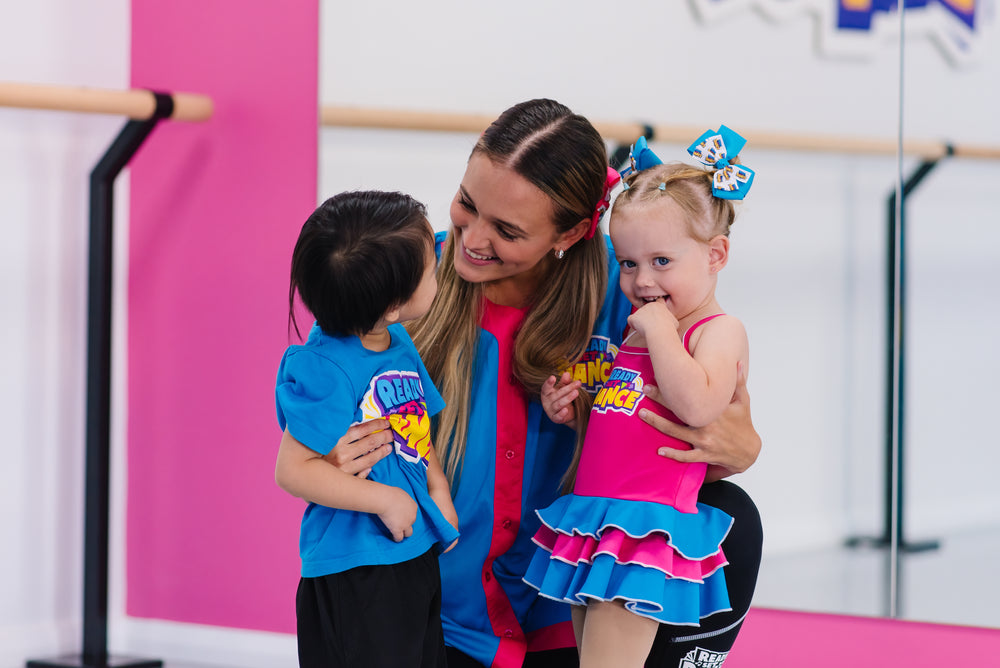
At Ready Set Dance, we’ve seen first-hand how toddlers grow in confidence, coordination and creativity through our dance classes. And the best part? They’re having so much fun while they’re learning!
What are the benefits of dancing for toddlers?
Growing Young Minds Through Dance
Dance is like a workout for the brain as much as for the body. Every time a child learns new dance steps or follows a rhythm, they’re practising problem-solving, memory and concentration. These cognitive challenges and problem-solving skills flow into other areas of the child’s life, from playtime to preschool.
Dance is a fantastic outlet for imagination and a powerful tool in creativity. Pretending to be superheroes, animals, or even rainbows sparks inner joy and helps toddlers understand the world around them.
Building Strong, Healthy Bodies
Toddlers have endless energy, and dance is the perfect way to channel it! Regular physical movement in dancing supports balance, coordination and motor skills while also keeping little heart and muscles strong. Physical health benefits of dancing for toddlers include cardiovascular health and the support of stronger muscles and bones.
Experts recommend at least three hours of physical activity a day for young children, and dance is a joyful way to reach that goal. When a child dances, it’s exercise in disguise, building the basics of daily physical health children need, without feeling forced. Toddlers are too busy twirling, jumping and clapping to notice they’re on the path to lifelong healthy habits.
Emotional Wellbeing, Mental Health & Dance In Early Childhood
Dance doesn’t just move the body; it moves the heart and mind. Toddlers light up when they master a new step or perform for an audience. That sense of pride builds their confidence and self-esteem. So many parents comment on the non-physical benefits and how body movement through dance has assisted their child’s development of self-confidence.
Dancing also helps children with emotional development; they are able to use movement to express emotions they can’t yet put into words. Whether they’re stomping out frustration or spinning with happiness, movement is a healthy way to process big feelings. And those happy endorphins? They turn every class into a mood-booster! Knowing how to release emotions and have safe outlets for big feelings leads to a strong base for positive mental health.
Social Superstars in the Making
Dance classes are a wonderful way for toddlers to make friends with other children and feel part of a team. Group dance activities encourage social awareness in sharing, taking turns and working together, all essential life skills for preschool and beyond.
Through the social interactions in dance class, many children learn empathy, cooperation and communication. Dance is a great mood enhancer. Children discover the joy of belonging to a group, and many form friendships amongst their peers that stretch beyond the time spent in our dance studio. Dance is a fun social activity for children and parents alike, and it becomes a key part of your child’s cognitive development.
Benefits of Ready Set Dance’s Toddler Classes
At Ready Set Dance, little ones get to explore a mix of fun dance styles, each with its own special benefits!
- Our hip hop moves build confidence, spatial awareness and self-expression as toddlers groove with energy and attitude.
- Jazz dance encourages flexibility and coordination with lively skips, turns and big smiles.
- Tap dance develops rhythm, timing and listening skills as children discover how their feet can make music and sound.
- Ready Set Ballet introduces grace, posture and balance while sparking imagination through beautiful storytelling in physical movement.
Together, these styles give young dancers a well-rounded dance experience that keeps them engaged, excited and growing in every class.
Skill Development That Lasts a Lifetime
Behind the giggles and glitter, dance lessons develop so many important skills:
- Motor skills: balance, coordination, strength
- Cognitive skills: memory, focus, problem-solving
- Emotional skills: confidence, resilience, expression
- Social skills: teamwork, communication, empathy
These foundations in cognitive development, self-esteem, emotional health and fine/gross motor skills prepare toddlers for school, team sports and life in general, giving them a confident start to their journey.
Dancing Benefits for Toddlers
When you choose dance for your toddler, you’re giving them more than a simple, fun activity each week. You are opening the door to a world of learning, movement and joy!
At Ready Set Dance, we believe every child deserves to feel proud of their progress. Our classes combine the best of physical activity, creativity and social connection, all wrapped up in a playful, supportive environment.
So, if you’re looking for a way to help your toddler grow strong, happy and confident, it’s time to get them dancing!
Find out more about our dance classes for 2 year olds or our dance classes for 3 year olds here.
✨ READY. SET. DANCE! ✨
Watch your little one move, groove and grow with us. Find a class near you.
